Peltigera venosa
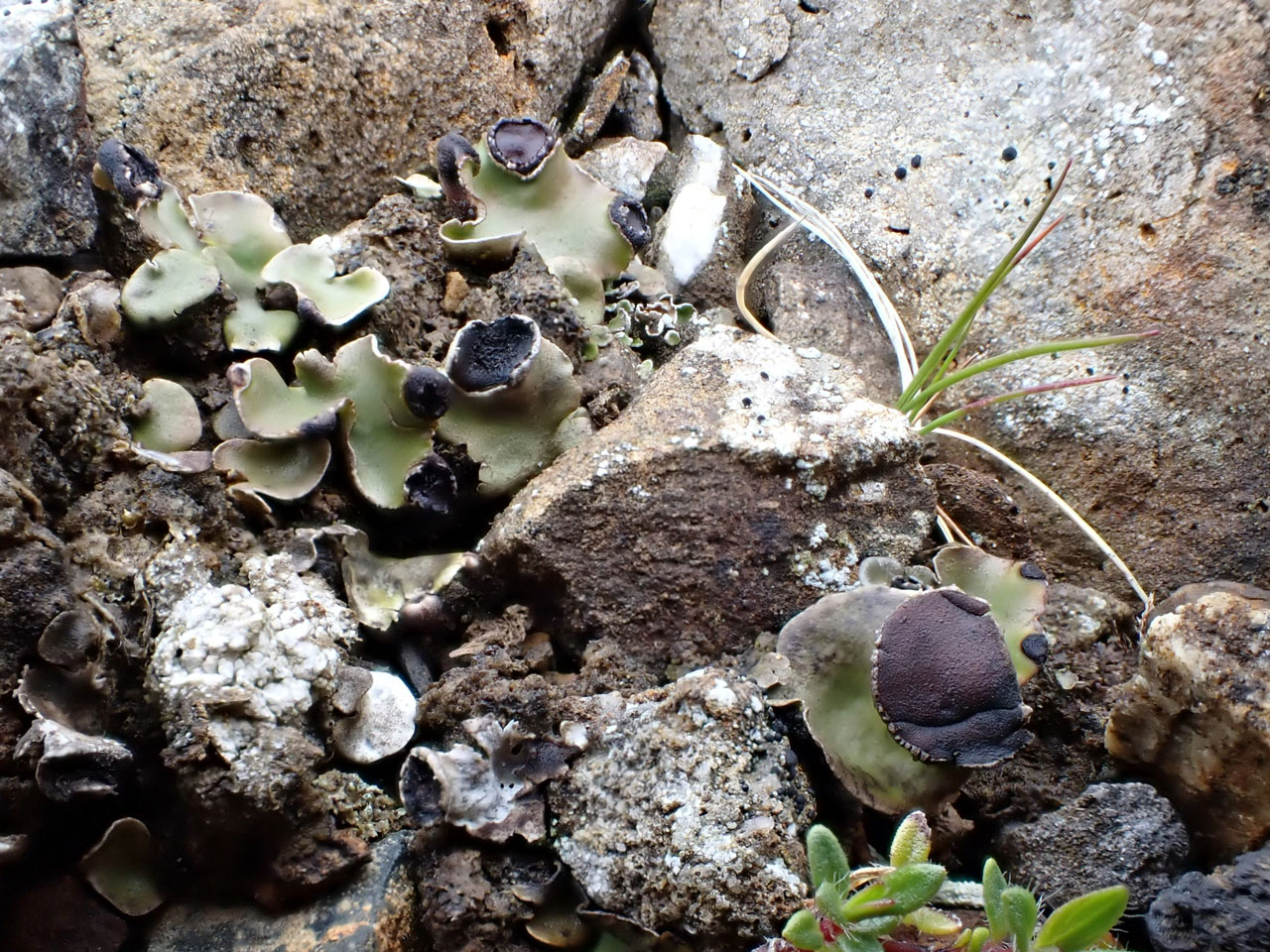
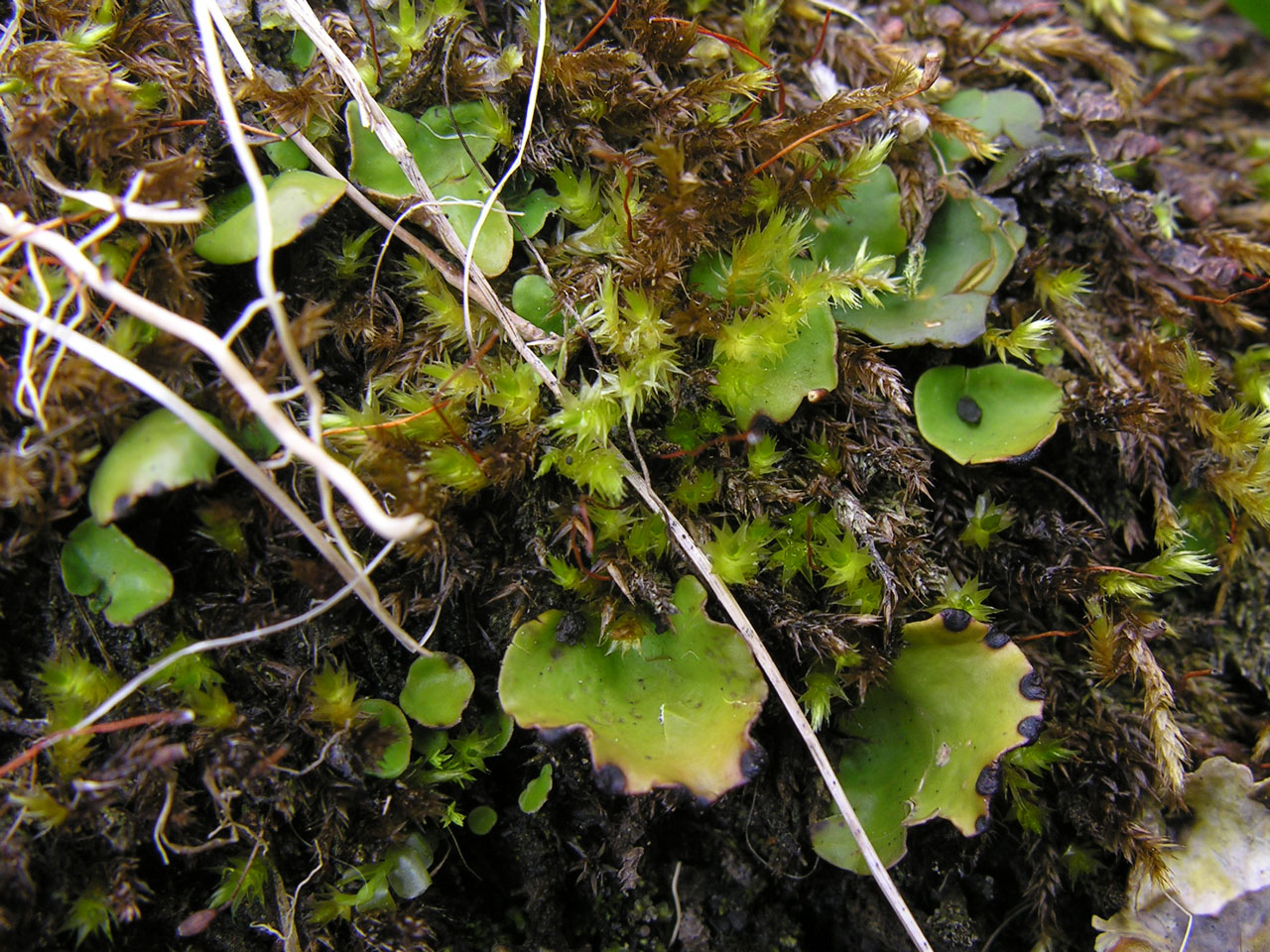
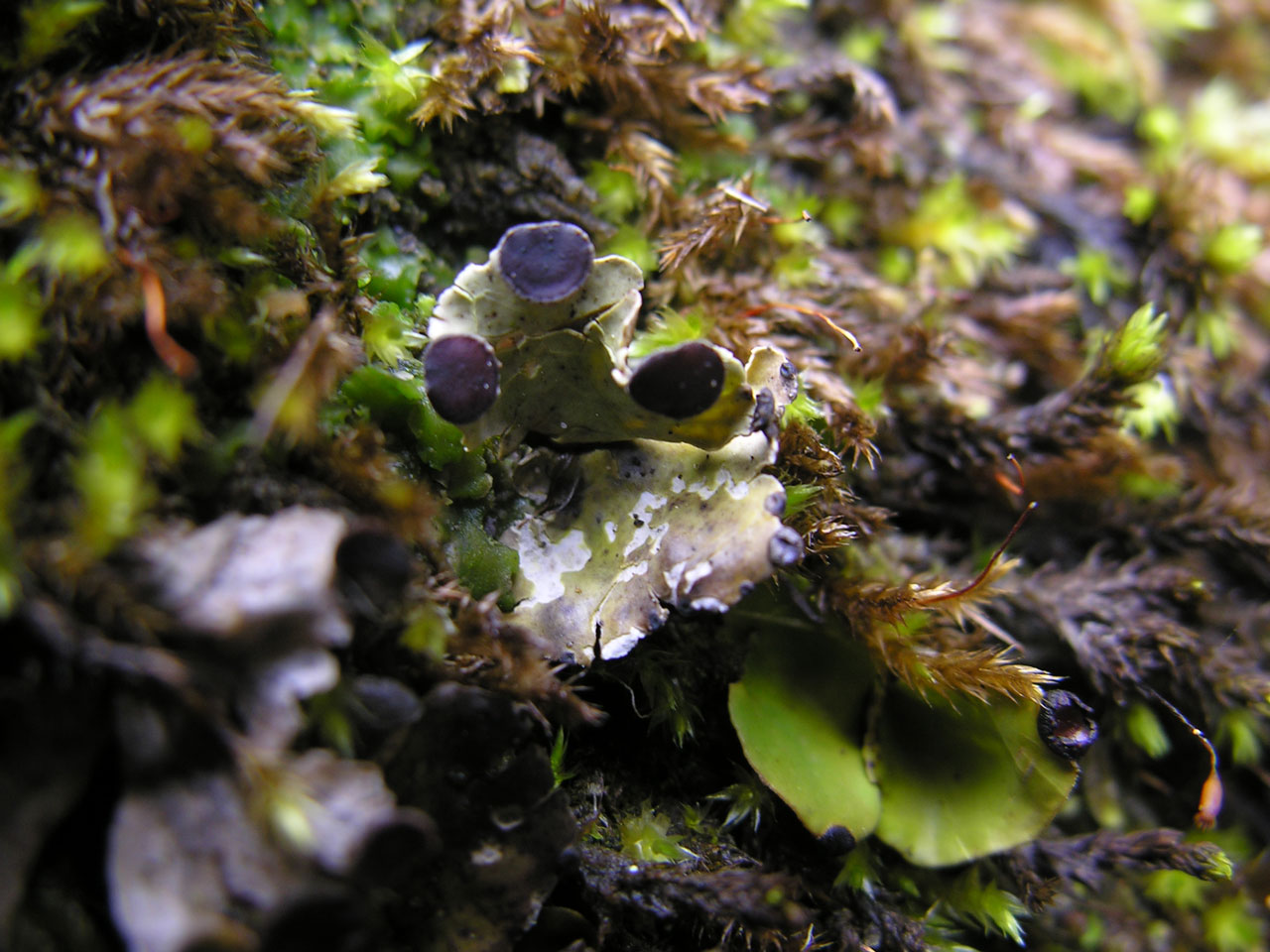
A gorgeous Dogtooth, the Beautiful Dogtooth, once seen never forgotten, with bright green delicate fan-shaped lobes. It is found in special places on damp calcareous soils, in wooded ravines, lead mine waste and montane cliffs in the north. Declining and threatened in England and Wales and with few recent records from Scotland. The latter may be due to a lack of recent recording in the hills, but it is worrying we do not know its status in its core area; it would be great to have more records of this species, so keep an eye out for it please.
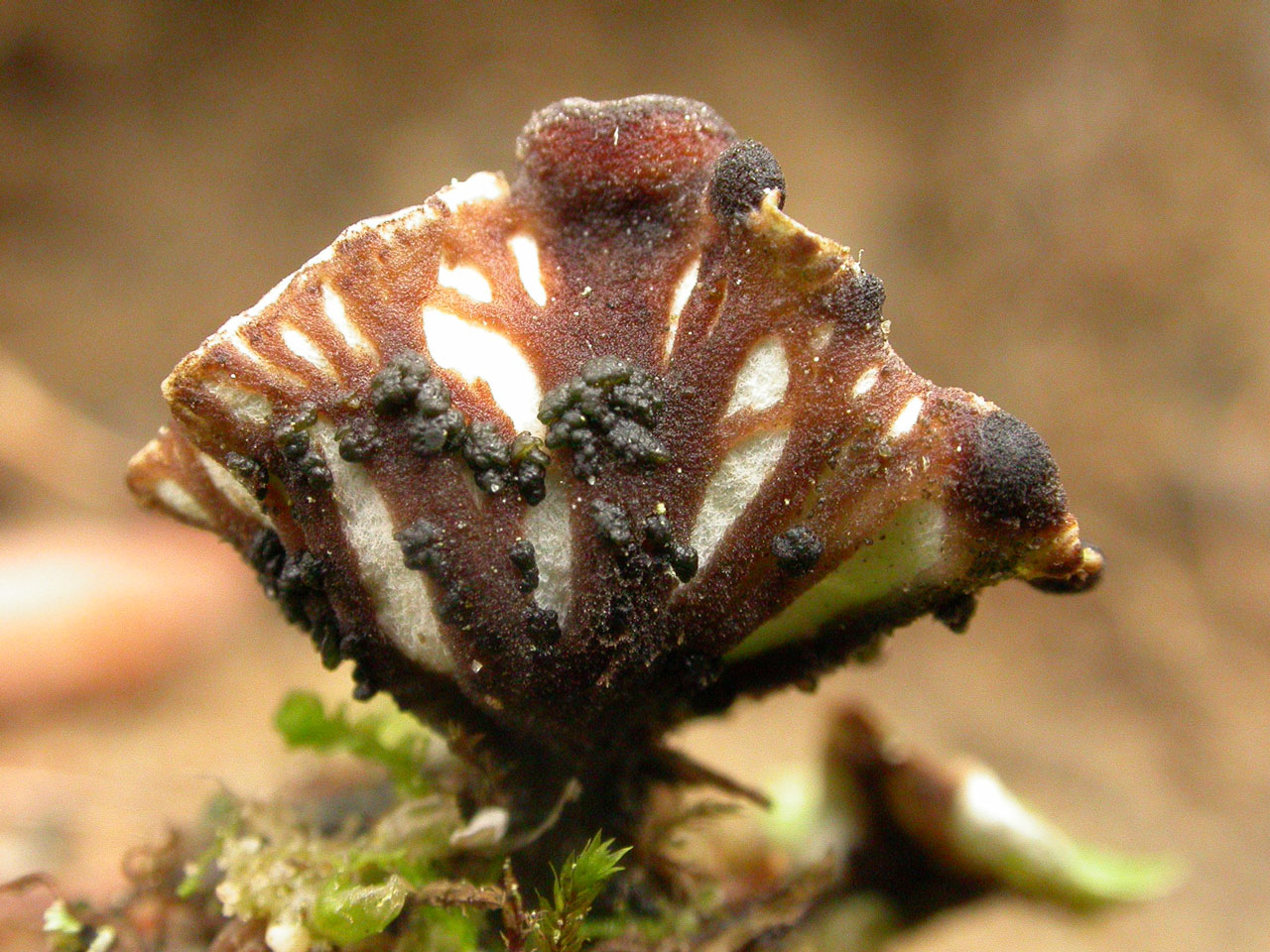
Thallus to 2 cm diam., of a single, rounded or mussel-shaped lobe or of several, discrete or overlapping fan-shaped lobes; lobes 0.5–2 cm broad, often thicker than 1 mm; margin entire or indented, rather regular; upper surface bright green when wet, photobiont green (Coccomyxa), grey-green when dry (becoming pale to dark brown in dried collections), smooth, ± shiny; lower surface with conspicuous fan-shaped pale to dark brown radiating veins, without rhizines, tomentose; cephalodia (with Nostoc) scattered, associated with veins, superficial, dark brown or grey, rounded or irregular and wart-like. Apothecia usually present, 1–6 per lobe, marginal, oval, wider than long, black-brown, horizontal, flattened. Ascospores 30–47 × (4–) 7–8 µm. Thallus with tenuiorin, methyl gyrophorate, ± gyrophoric acid (C± red), phlebic acids A and B, T1 and up to four unidentified terpenoids. The blue-green morphotype lacks lichen substances.
A distinctive neat small usually fertile bright green species with conspicuous fan-shaped brown non-rhizinate veins, associated with wart-like cephalodia on a pale background on the lower surface; the apothecia are flat and rounded. Peltigera britannica and P. leucophlebia are much larger with cephalodia on the upper surface. A blue-green morphotype of P. venosa frequently occurs separately or sometimes with the green morphotype; this consists of small, ± ascending, overlapping, brown-black squamules to 1 mm long, semi-circular or ligulate, photobiont Nostoc, evenly distributed throughout the inner part of the lobe. This phase resembles extreme, compacted, reduced morphs of Scytinium gelatinosum and other small Leptogium s. lat. species.
On calcareous schists, other basic metamorphic rocks and metalliferous soils, more rarely on limestone, chiefly in upland sites.
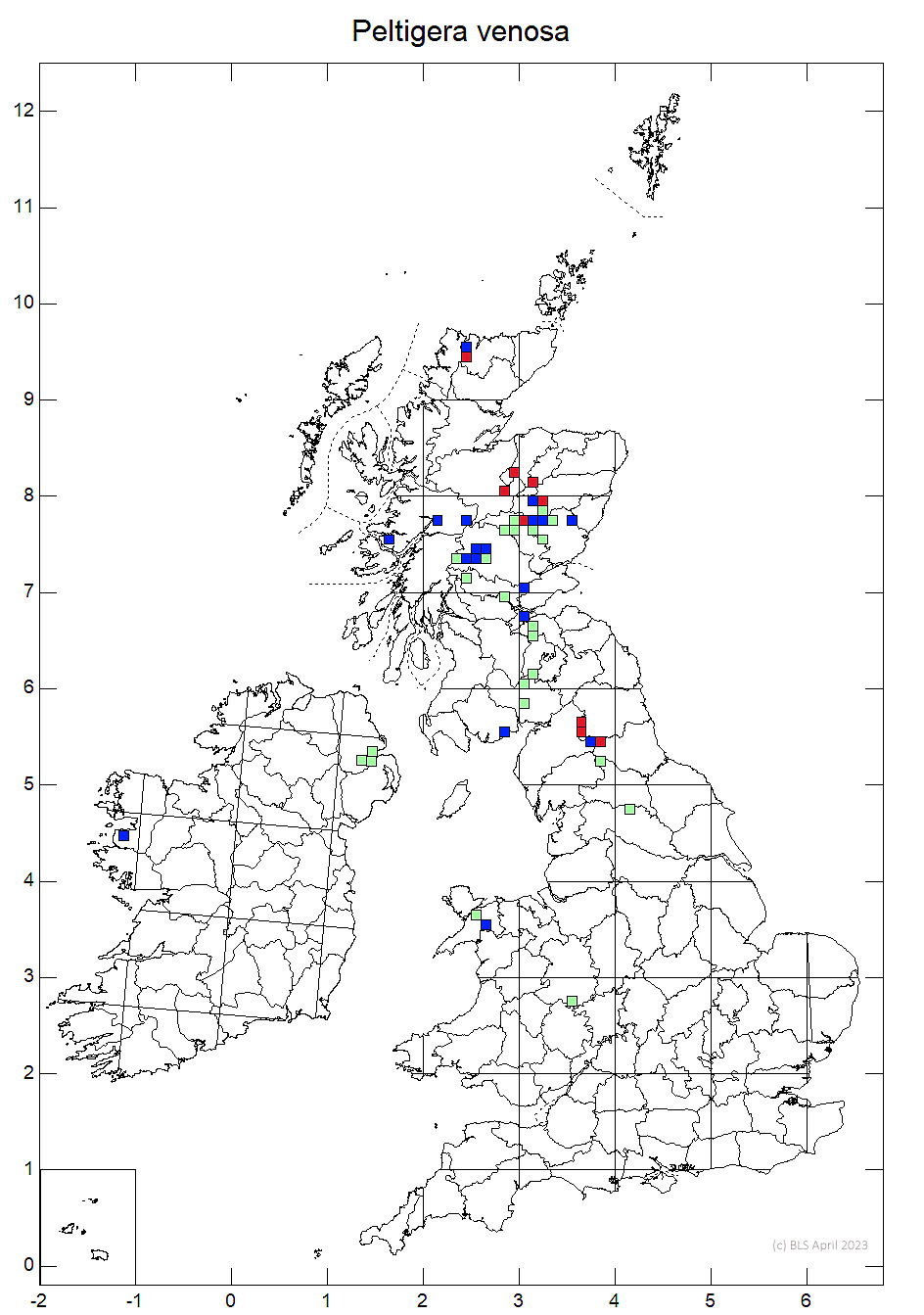

Very local. N. areas of Britain, Wales (Snowdonia).
This beautiful Peltigera is found in scattered base rich habits, including ravines, in metal mine waste on limestone in the Pennines and particularly on calcareous montane cliffs in Scotland. Mostly found in small populations. There are few recent records from the Highlands, but this may reflect lack of recent surveying, however, it is declining in the south. It has always very rare in Wales and has not recorded here since 1981. In the north Pennines it has declined due to vegetation succession on the lead mine waste and one of the few surviving sites was recently planted with trees.
Britain: Vulnerble
Scotland: Priority Taxon for Biodiversity in Scotland
Wales: Critically Endangered & a Section 7 species
England: a Section 41 species
Cannon, P., Magain, N., Sérusiaux, E., Yahr, R., Coppins, B., Sanderson, N. & Simkin, J. (2021). Peltigerales: Peltigeraceae, including the genera Crocodia, Lobaria, Lobarina, Nephroma, Peltigera, Pseudocyphellaria, Ricasolia, Solorina and Sticta. Revisions of British and Irish Lichens 20: 1-34.
Text by Neil A Sanderson based on Cannon et al (2021)